




Reading the Light: Orientation, Windows, and Daily Patterns

Begin by understanding how the sun moves across your building, which facades receive direct rays, and how nearby trees, balconies, or towers cast shifting shadows. Observe brightness each hour for a week, note glare spikes, and track reflections. With honest minimalist layouts, these insights guide furniture placement, work zones, and calming rituals that align with predictable daylight, reducing reliance on lamps and preserving the uncluttered serenity that small spaces need.

Open Pathways, Not Empty Rooms

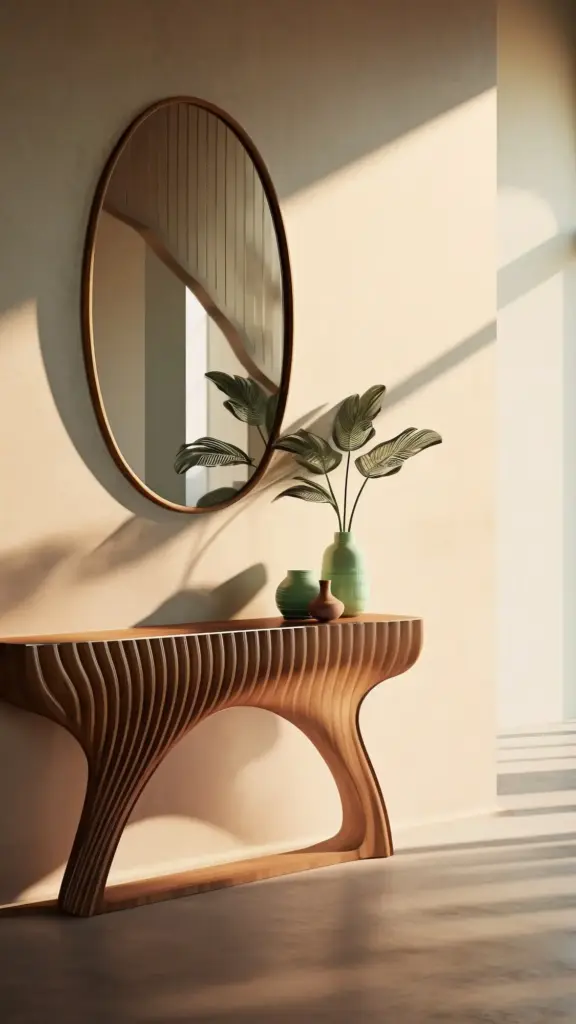
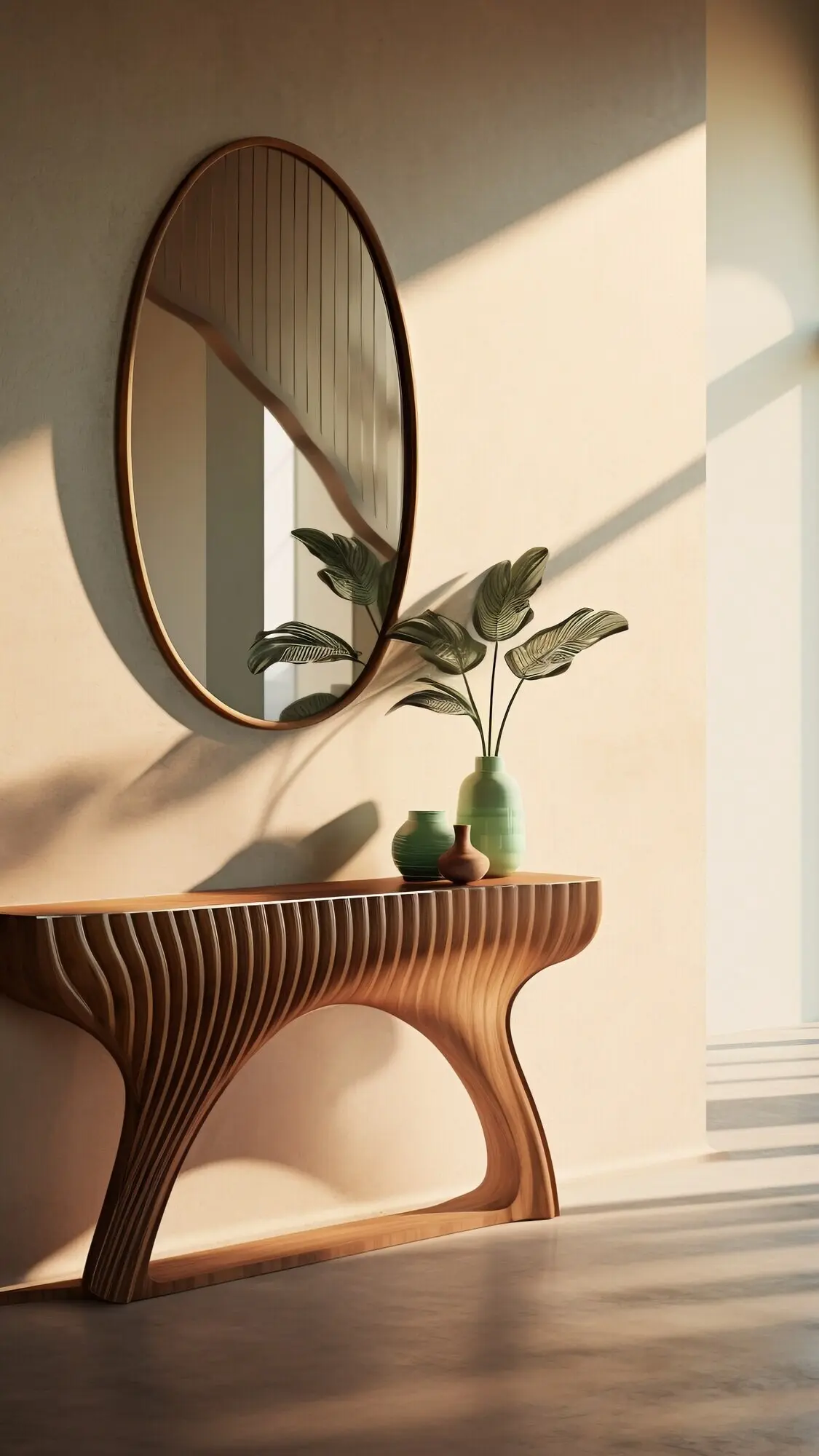
Minimalism is not vacancy; it is intention. Group belongings tightly, leave generous gaps, and align major objects with sun routes. A slim console can direct beams deeper than a bulky sofa. Prioritize leg visibility and thin profiles, so photons weave through and your space feels wider.

Low-Profile Zones With High Visual Flow

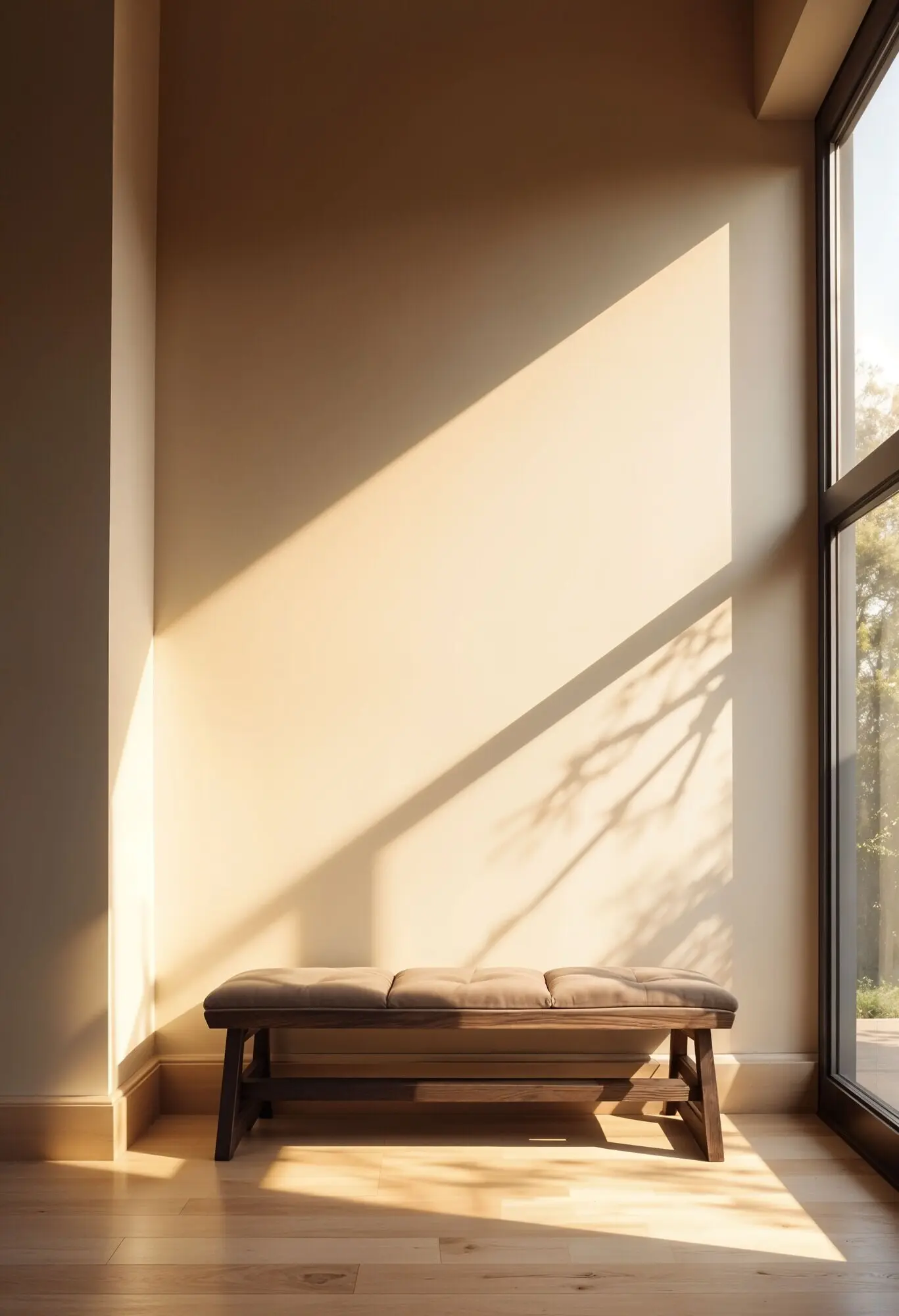
Define living, dining, and working without blocking glow. Employ low benches, floor lamps with translucent shades, and nested tables that tuck away after use. Keep tall storage on the darkest wall, and lean toward open bases, giving sunlight clear arcs to travel beneath and beyond edges.

Glass, Sliders, and Translucent Dividers That Respect Privacy

In compact homes, separation should filter, not halt, brightness. Choose fluted glass, rice paper panels, or polycarbonate screens that blur silhouettes yet pass generous glow. Sliding tracks conserve floor area, while clerestory cutouts above wardrobes invite stray rays to continue their journey across ceilings and walls.

Clutterless Layouts That Let Sunshine Travel

Small homes brighten dramatically when air and sightlines remain uninterrupted. Float furniture off walls, create axial views from window to door, and keep walking paths open. Use negative space as an active material, letting light behave like a guest who needs clear passage, hospitality, and comfortable seats.

Colors, Finishes, and Textures That Multiply Daylight

Choosing Paints by Light Reflectance Value

Read technical sheets and look for numbers above seventy for walls that bounce radiance without chalkiness. Test swatches on multiple surfaces, observing morning and evening shifts. Even small differences change corridor glow, so decide with patience, photographs, and notes rather than quick guesses under store lighting.

Balancing Matte Calm With Strategic Sheen

Too much gloss creates glare and visible imperfections, yet a focused sheen near corners, rails, or window reveals can amplify reach. Keep ceilings flat to calm reflections, while satin doors and picture frames catch soft highlights, nudging daylight farther without visual noise or distraction.

Warm Woods, Pale Floors, and Honest Materials

Light floors in ash, maple, or pale oak scatter rays upward, while thin oil finishes maintain natural texture. Combine with linen, clay, and microcement to avoid sterile vibes. The palette remains humble, yet every surface quietly assists the sun, honoring minimalism’s gentle clarity and purpose.

Sheers That Shape, Not Smother, the View

Seek open-weave fabrics with measured translucency so scenery stays legible while harsh edges blur. Floor-skimming hems elongate height, and double panels allow asymmetry on windy days. Neutrals read brighter, but soft color tints can warm shadows, lending intimacy without swallowing precious daylight or crispness.

Layering for Seasons, Cleaning for Clarity

Combine lightweight liners for summer with denser weaves in winter, switching as the sun drops lower. Dust attracts on glass and fibers, dulling rooms fast, so schedule monthly maintenance. Clean panes, vacuum sheers, and polish hardware, reclaiming astonishing brightness with simple, steady routines that feel meditative.

Smart Films, Micro-Blinds, and Street-Level Solutions

For ground-floor apartments, combine subtle privacy films with high-transmission coatings so windows stay radiant. Micro-blinds within glazing reduce clutter and sweeping, while top-down shades shield eye level only. Maintain open upper glass to keep sky views intact, psychologically enlarging rooms and sustaining deep daylight penetration through corridors.

Mirrors, Metal, and Glass: Precision Brightening

Reflections are tools, not decorations. Plan mirror placement like lighting: angle, height, and target surface determine results. Bounce rays toward matte planes, not eyes; pair brushed metals for shimmer without hotspots; and choose glass pieces with rounded corners, protecting flow while visually lightening the overall composition.

Real-Life Makeover: A 32‑Square‑Meter Studio Finds the Sun

In a rental studio overlooking a narrow street, the resident tracked light every hour for seven days, then reorganized possessions into calm clusters. After cleaning panes, swapping heavy curtains for sheers, and shifting storage, the space brightened measurably, inviting earlier wake-ups, longer reading sessions, and gentler evenings.

The Before: Dim Corners, Busy Surfaces, Heavy Fabrics

High book stacks blocked the only east window, and a dark sectional absorbed the little glow that arrived. Glossy decor created blinding pinpoints without broadening brightness. Mornings felt sluggish, and the resident relied on desk lamps from breakfast until late afternoon, increasing heat and visual noise.

The Interventions: Five Adjustments With Outsized Effects

Books moved to the shadiest wall; sofa swapped for a leggy loveseat; mirror angled to reflect sky; top-down shades added; and pale sisal introduced. Each change respected minimalism, cut clutter, and served light’s path. The combination produced clearer sightlines, gentler glare, and purposeful open surfaces ready to glow.
The After: Brighter Mornings, Cooler Afternoons, Calmer Evenings

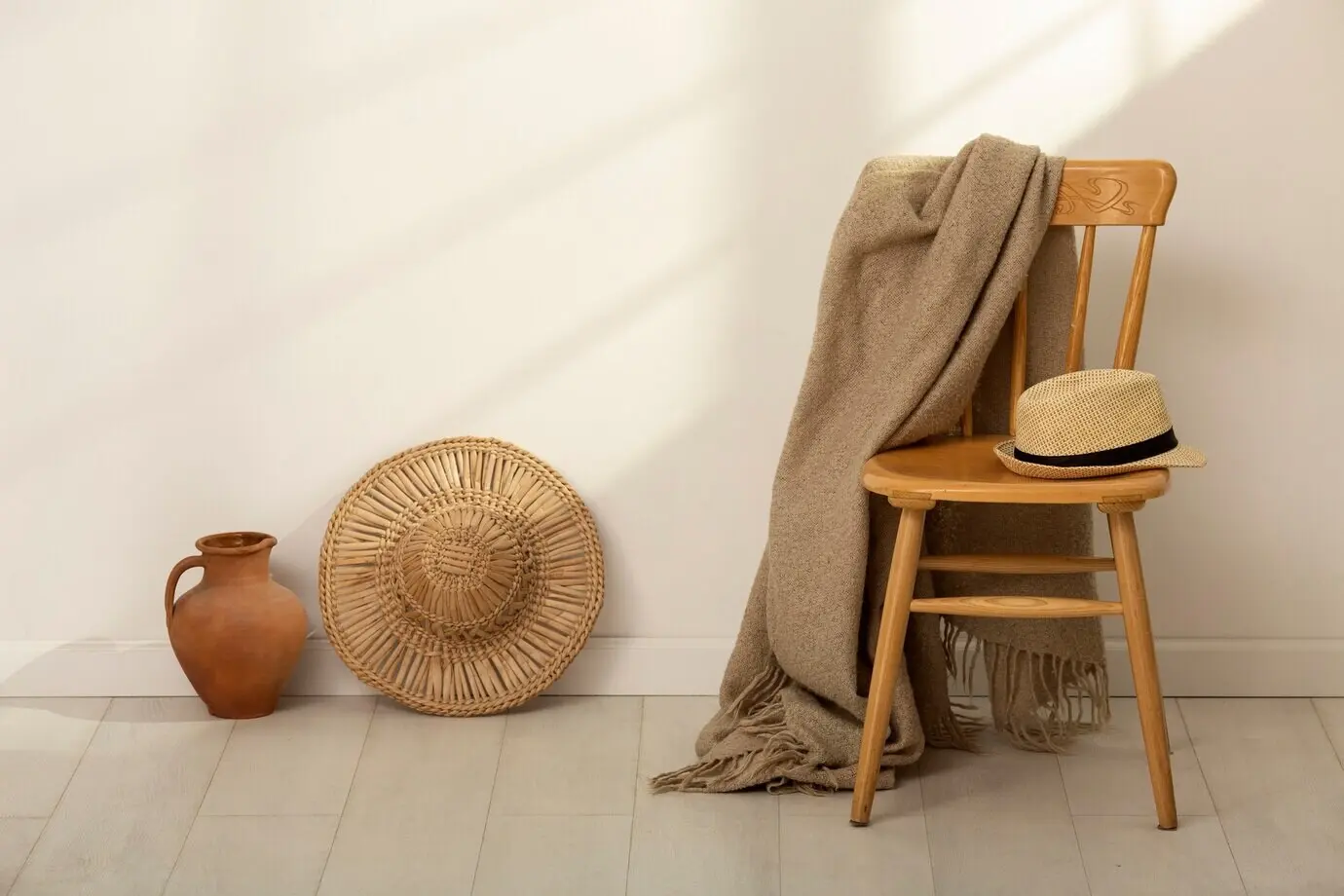
With clean panes and measured layers, breakfast began beside luminous sheers while cross-ventilation cooled west heat later. Reading moved to the north corner, and plants thrived. Friends noticed spaciousness without new square meters. The resident now photographs shifting light, sharing updates and asking for feedback on next tweaks.

Tipixukenixopumi
Privacy Overview

This website uses cookies so that we can provide you with the best user experience possible. Cookie information is stored in your browser and performs functions such as recognising you when you return to our website and helping our team to understand which sections of the website you find most interesting and useful.