Light, Biology, and Rest

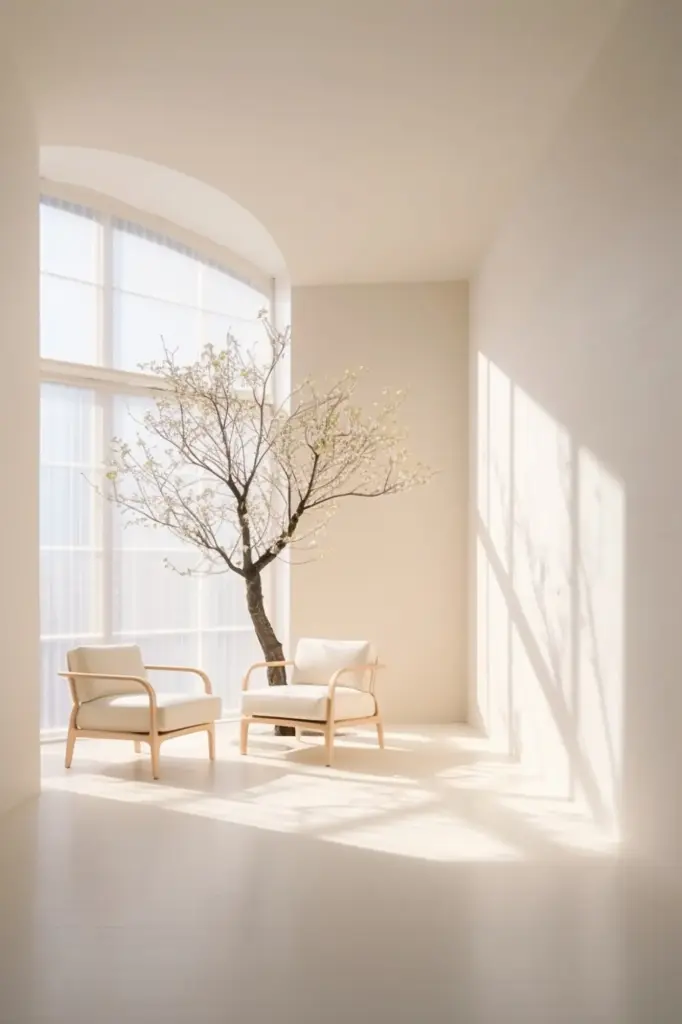
Your brain’s master clock responds most strongly to light at the eyes, especially bright, blue-enriched morning daylight. Understanding this relationship transforms a quiet minimal bedroom into a supportive environment where hormones synchronize naturally, energy stabilizes, and sleep pressure rises on time. We’ll translate research into daily practice, highlighting thresholds, timing windows, and gentle design moves that invite consistent exposure without glare or overstimulation.

Morning light as a natural reset

Step outside or sit by an east-facing window within an hour of waking, letting at least moderate daylight reach your eyes for ten to thirty minutes. This anchors cortisol’s peak earlier, lifts mood, and sets a healthy melatonin onset later, encouraging sleepy signals right on schedule without stimulants.

Evening dimness and melatonin protection

After sunset, lower ceiling lights, favor lamps with warm tones, and reduce screen brightness or enable orange filters. Dimmer, longer-wavelength light preserves melatonin production, making it easier to fall asleep and reducing nighttime awakenings, especially when paired with simple rituals that calm racing thoughts.
Chronotypes and personalized exposure

Early birds benefit from earlier daylight and slightly firmer bedtime lighting cues, while night owls may need stronger morning exposure and stricter evening dimming to shift gradually. Track how you feel across two weeks, adjusting timing and intensity until mornings feel brighter and nights arrive softly.


Windows, Orientation, and Sky

Choose glazing with high visible transmittance while limiting excessive solar heat gain, balancing clarity, brightness, and comfort. Low-iron glass keeps daylight neutral, and matte interior surfaces prevent sparkle. Test reflective paint samples at different times to ensure morning beams spread evenly across calming colors.
East-facing windows spark alertness; west brings afternoon warmth and potential glare. Pair sheer curtains for daytime diffusion with room-darkening drapery or shades for sleep. Layered control lets you tune brightness through seasons, protecting circadian cues while safeguarding rest on weekends and travel-recovery days. When Maya added a second sheer, mornings softened beautifully.
A minimalist room multiplies natural brightness because tidy planes allow light to bounce freely. Built-in storage swallows clutter; pale woods and low-sheen finishes gently reflect without glare. The result is calm visual rhythm, strong daytime cues, and effortless cleaning that preserves clarity over years.

Calm Materials, Honest Palettes

Minimal does not mean cold. Choosing breathable textiles, nontoxic finishes, and a restrained palette amplifies daylight’s gentle qualities while keeping evenings cozy. Materials touch your skin and air; when they are quiet, your nervous system relaxes, setting the stage for dependable, restorative sleep.

Evening Glow, Morning Clarity

Electric light should complement the sun, not compete. Use bright, cooler light in the first half of the day for focus, then gradually transition to warmer, dimmer scenes. Thoughtful layering, dimming, and shielding protect circadian timing while preserving the minimalist room’s graceful simplicity.

Quiet Air, Cool Nests, Deep Sleep

Comfort is multisensory. A bedroom that breathes quietly, stays slightly cool, and softens outside noise helps your circadian signals translate into real rest. Gentle ventilation, thoughtful textiles, and strategic sound control create an envelope where daylight cues and nighttime calm work together effortlessly.
Aim for a slightly cool room, around the mid-60s Fahrenheit for most people, with breathable bedding that allows heat to escape as your core temperature drops. A lighter duvet and separate layers for partners reduce awakenings from overheating or tug-of-war discomfort.
Quiet ERV systems, window vents, or crack-open routines deliver oxygen-rich air without startling hums. If street sounds intrude, add dense curtains, seals, or a subtle broadband masker. The goal is steady, gentle cues that never drown the delicate signals your brain needs.

Daily Rituals that Strengthen Light Cues

Design supports biology, and behavior seals the benefit. Simple, repeatable rituals—morning sunlight, light breakfasts, evening reading—teach your body what comes next. Tech boundaries and compassionate flexibility protect progress, especially during busy seasons, travel, or parenting sprints when perfect conditions are rare.

Sun-seeking mornings

Wake gently, tidy the bed, open shades, and step toward daylight before checking messages. Brew tea near a bright window or take a short outside walk. Pair light exposure with movement and hydration, forming a cue stack your brain recognizes and rewards with clearer focus.

Evening landings without screens

After dinner, switch to warm lamps, lower household volume, and place devices in a charging drawer outside the bedroom. Replace scrolling with a page-turner, journaling, or gentle stretches. You’ll feel sleep pressure surface more predictably, with fewer restless awakenings and easier morning momentum. It felt awkward for three nights, then blissfully obvious.

Measure, Iterate, and Share

Simple data that matters

Note wake time, time of first daylight, total minutes outdoors, and evening dimming start. Add a quick mood and energy rating. Patterns appear quickly, guiding practical tweaks—earlier shade opening, an afternoon walk, or stricter lamp dimming—without expensive gadgets or complicated protocols.

Light levels in plain language

Instead of chasing perfect lux numbers, learn relative cues. If text reads crisply by the window without squinting, you’re likely meeting daytime goals. At night, if your face barely casts a shadow, you’re probably dim enough to protect melatonin and invite deeper sleep.

Join the conversation

We’d love to hear what’s working in your space and what still feels tricky. Share a photo, a specific routine, or a question, and subscribe for monthly field notes. Your experience can encourage someone else to try a gentle, life-improving change.
Tipixukenixopumi
Privacy Overview

This website uses cookies so that we can provide you with the best user experience possible. Cookie information is stored in your browser and performs functions such as recognising you when you return to our website and helping our team to understand which sections of the website you find most interesting and useful.