Reading the Light: Layouts That Let Sun Travel

Great rooms start with the path of the sun. Map windows, track reflections, and position seating so silhouettes never block brightness. Use low profiles near glazing, keep tall volumes to the sides, and plan sightlines that stretch. Daylight feels like square footage you didn’t pay for. After trying these moves, tell us where your home surprised you, and what new nook the morning glow revealed.

Window-First Planning

Begin with the clearest surfaces around glass. Keep profiles below sill height, float shelves away from frames, and center activity zones where light disperses evenly. Measure curtain stack-backs and hinge swings to prevent accidental shadows. When furniture respects daylight, every corner reads larger, and color comes alive naturally without extra lamps. Share a photo of your sunniest wall; we’ll help troubleshoot glare or hotspots.

Circulation Without Clutter

Pathways should be obvious without signage. Align routes along walls, not across windows. Choose slender-legged pieces that invite light underneath, and maintain generous pinch points near doors. A clear floor and a continuous ceiling line guide the eye forward, making compact spaces feel confident. If a chair keeps drifting into a walkway, consider gliders, wall hooks, or a recessed niche for easy resets after busy days.

Furniture That Disappears When You Don’t Need It

A drop-leaf table near the brightest wall makes dinners feel celebratory without everyday bulk. Specify sturdy leaf supports, wipeable finishes, and chairs that stack without squeaking. Keep serving essentials in a shallow wall niche inches away. When folded, the table becomes a console that reflects light. Tell us how many seats you need most nights, and we’ll help size an elegant solution that never steals sunshine.
A trio of nesting tables works like choreography: separate for guests, stack for calm. Look for trays that lift, recesses that hide remotes, and soft felt undersides that protect floors. Choose pale woods that echo window casings to extend the light visually. When not needed, slide them beside a sofa arm to preserve sightlines. Share your favorite arrangement and learn cable-taming tricks that keep tops pristine.
Today’s wall beds integrate flush shelving, task lights, and soft-close hardware that feels reassuring at night and almost invisible by day. Frame the cabinet with acoustic panels to absorb echoes in bright rooms. Add a narrow ledge for morning coffee without blocking the fold path. If a guest room doubles as a studio, this single transformation can unlock floor area for creative flow. Tell us your ceiling height; we’ll advise orientations.

Hidden Storage That Feels Invisible

True concealment begins with flush lines, matching materials, and hardware you don’t notice. Tuck volume into kickspaces, wall cavities, and stair risers, letting daylight wash uninterrupted across planes. Doors open with gentle pressure, then close seamlessly. Consider acoustics, ventilation, and safe loading. Post your trickiest clutter category in the comments, and we’ll propose a camouflage strategy that gives access without visual noise or blocked light paths.

Kickspace Drawers and Stair Risers Working Overtime

The underused inches beneath cabinets and steps can absorb seasonal gear, cleaning tools, or extra linens. Specify durable slides, toe-friendly edges, and labels underneath instead of outside. Paint interiors a cheerful color for an unexpected moment of delight. By capturing these slim volumes, you reclaim walls for windows rather than shelving. Share your toe-kick dimensions, and we’ll suggest a safe load range and divider layout.

Flush Wall Panels That Vanish in Plain Sight

Use continuous millwork with concealed hinges and push latches, aligning seams with shadow gaps so doors read like artful geometry. Mirror a panel sparingly to deepen light without revealing fingerprints. Integrate perforated sections where equipment needs airflow. With careful planning, a feature wall doubles as generous storage while appearing serene. Upload a sketch of your wall; we’ll mark ideal panel widths and handle-free access points.

Under-Sofa and Behind-Door Zones You Forget to Use

Slim rolling trays glide under sofas for board games and cables, while shallow pegboards behind doors hold hats and bags without bulk. Keep depths modest so nothing snags fabric or jambs. Choose colors that blend with walls to keep attention on daylight. Add soft bumpers to protect finishes. Tell us your door swing direction and sofa clearance, and we’ll tailor exact dimensions for smooth daily use.

Material Palette: Quiet Tones, Honest Textures
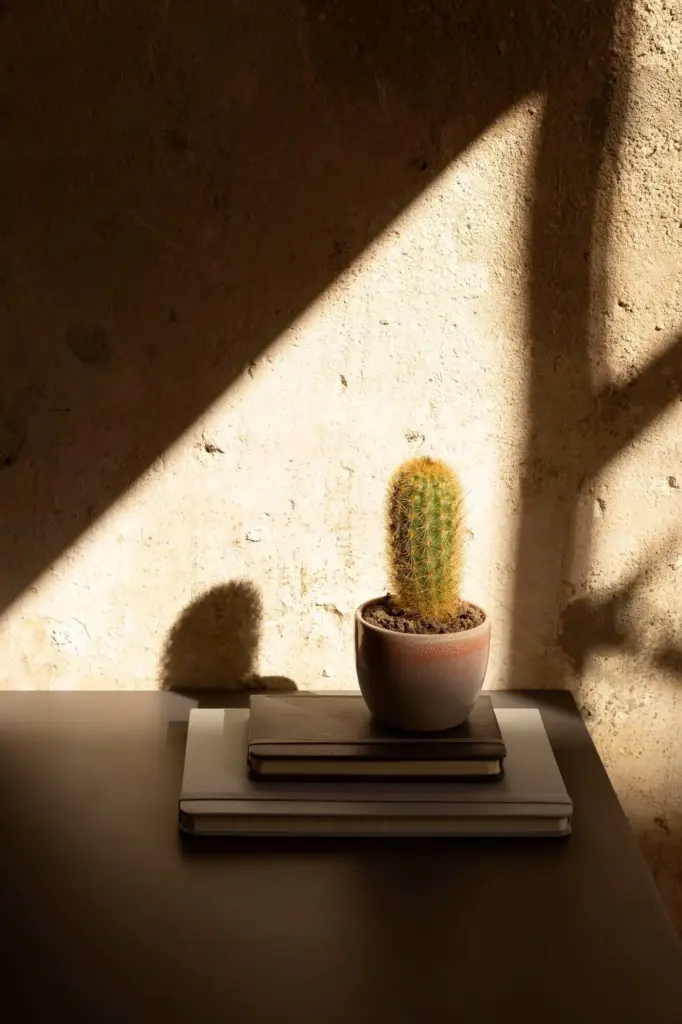
Let materials work with light instead of shouting over it. Pale woods, mineral whites, gentle grays, and warm metals invite reflections that feel calm, not cold. Combine tactile weaves, subtle grain, and breathable finishes to avoid glare. Every surface should photograph beautifully at noon and at dusk. Share your palette and window orientation, and we’ll recommend a complementary accent that supports brightness without stealing the spotlight or coziness.

Small-Space Case Studies: Sunlit Success Stories

Real rooms show what checklists cannot. From studios with foldaway lives to family lounges that swallow toys invisibly, the constant hero is daylight. Minimal furniture clarifies purpose, hidden storage erases distractions, and the result feels spacious without expansion. Explore layouts, measurements, and lessons learned. Add your floor plan in the comments, and we’ll crowdsource refinements that protect light, calm noise, and simplify weekly rhythms confidently.

Studio Sanctuary With a Sliding Wall

A 29-square-meter studio gained flexibility through a ceiling-mounted, translucent sliding partition that lets light through while zoning sleep from work. A wall bed tucks into fluted panels; a slim desk folds flat. Kickspace drawers hide shoes, keeping sightlines clean. The resident reports earlier bedtimes and easier mornings. Ask about the track brand or panel thickness, and we’ll share sourcing notes and acoustic tips learned on-site.

Family Living Room Where Toys Disappear

Flat-front cabinets flank a window seat with deep drawers, leaving the glass unobstructed. A nesting table trio spreads for play, then stacks by sunset. Soft bins behind a flush panel handle overflow. The room resets in seven minutes, restoring calm reflections. Curious about child-safe latches or rounded corners? Comment with ages and storage categories, and we’ll propose resilient finishes that keep brightness and joy intact.

A Kitchen That Hides Everything Yet Cooks Fast

Tall pantry doors align perfectly with ceiling shadow gaps, concealing appliances behind pocketing panels. Prep tools live in shallow drawers near the cutting zone; a magnetic strip inside a cabinet door holds knives safely. Light bounces off a matte backsplash, avoiding glare. Ventilation slots are integrated invisibly. Share your cooking habits, and we’ll tailor a concealed layout that speeds dinner without sacrificing the room’s easy, luminous feel.

Sustainable Minimalism Without Sacrificing Comfort

{{SECTION_SUBTITLE}}

Fewer, Better, Repairable Pieces Win Long-Term
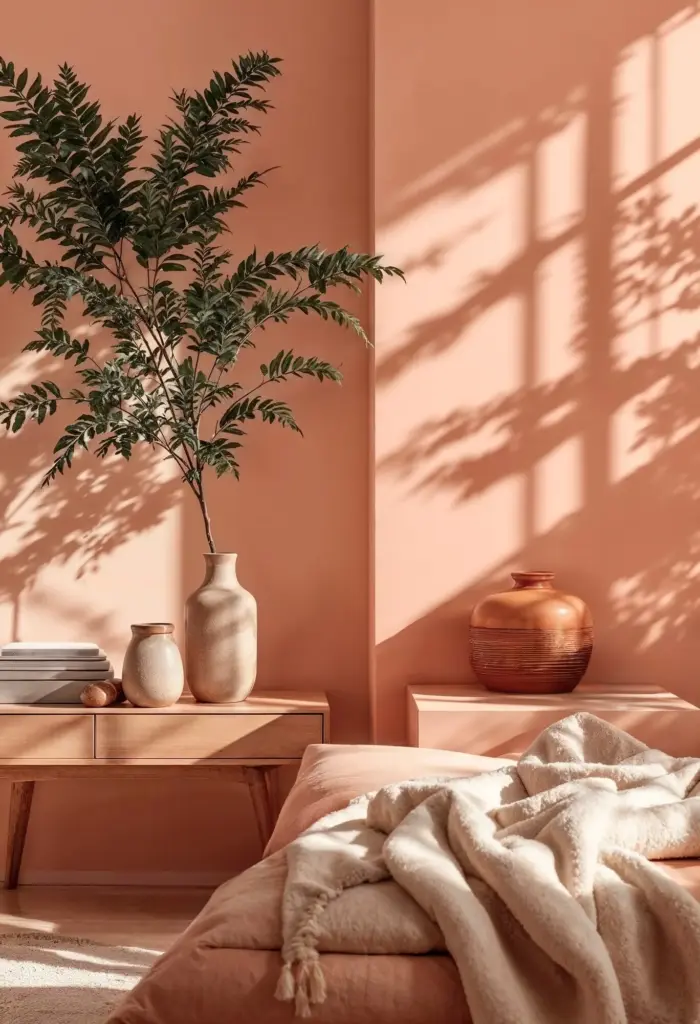
Invest in frames with replaceable parts, reversible cushions, and standardized hardware. A single well-made sofa with firm support and washable covers outperforms frequent fast replacements. Maintain wood with simple oils, not heavy varnish. Keep documentation organized in a hidden panel for easy repairs. Share your most-used item, and we’ll suggest a maintenance schedule that preserves form, comfort, and light-friendly finishes for many satisfying, resilient years.

Daylight as Your Everyday Energy Strategy

Position desks perpendicular to windows to reduce screen glare while maximizing ambient brightness. Choose pale surfaces that spread light so task lamps stay off longer. Consider higher-reflectance paint on ceilings to push illumination deeper. Calibrate window treatments for privacy without dimming. Track your monthly energy use before and after small changes. Post the results, and we’ll help refine placement until noon and evening both feel consciously luminous.

Daily Habits and Maintenance for Clear Views

Design sets the stage; habits keep the play running. A five-minute reset protects sightlines, while monthly audits free space for daylight to move. Label storage subtly, set graceful limits, and let surfaces breathe. When chores align with pleasure—music on, windows cracked—consistency follows. Comment with a routine that works for you, and borrow a neighbor’s trick. Together we’ll safeguard brightness like it’s precious, because it is.

The Five-Minute Evening Reset

Return items to hidden homes, stack nesting tables, fold blankets, and clear walkways before bed. Keep a small caddy with wipes, a lint roller, and a microfibre cloth to refresh reflective surfaces. This quick ritual ensures you wake to an open, sun-ready room where decisions feel easier. Share your soundtrack, timer strategy, and any sticking points; we’ll suggest storage tweaks that remove friction instantly.

Entryway Rituals That Stop Clutter at the Door

Install a slim shoe drawer at toe-kick height, wall hooks aligned to shoulder level, and a mail slot that sorts instantly behind a flush panel. Light, pale finishes welcome guests and daylight equally. A mirror near the hinge side expands brightness without catching fingerprints. Report your household’s peak entry times, and we’ll fine-tune hook counts, drawer sizes, and drop zones to keep circulation honest and calm.

Monthly Audits and Donation Flow

Set a recurring date to empty hidden storage zones, wipe interiors, and confirm items still earn their keep. Keep a collapsible donation bin behind a millwork panel, ready for departures. Photograph shelves before and after to reveal creep. This gentle accountability rescues daylight from gradual clutter. Tell us your toughest category—cords, papers, sentimental items—and we’ll share scripts and containers that make letting go easier.

Tipixukenixopumi
Privacy Overview

This website uses cookies so that we can provide you with the best user experience possible. Cookie information is stored in your browser and performs functions such as recognising you when you return to our website and helping our team to understand which sections of the website you find most interesting and useful.